How we digest our emotions
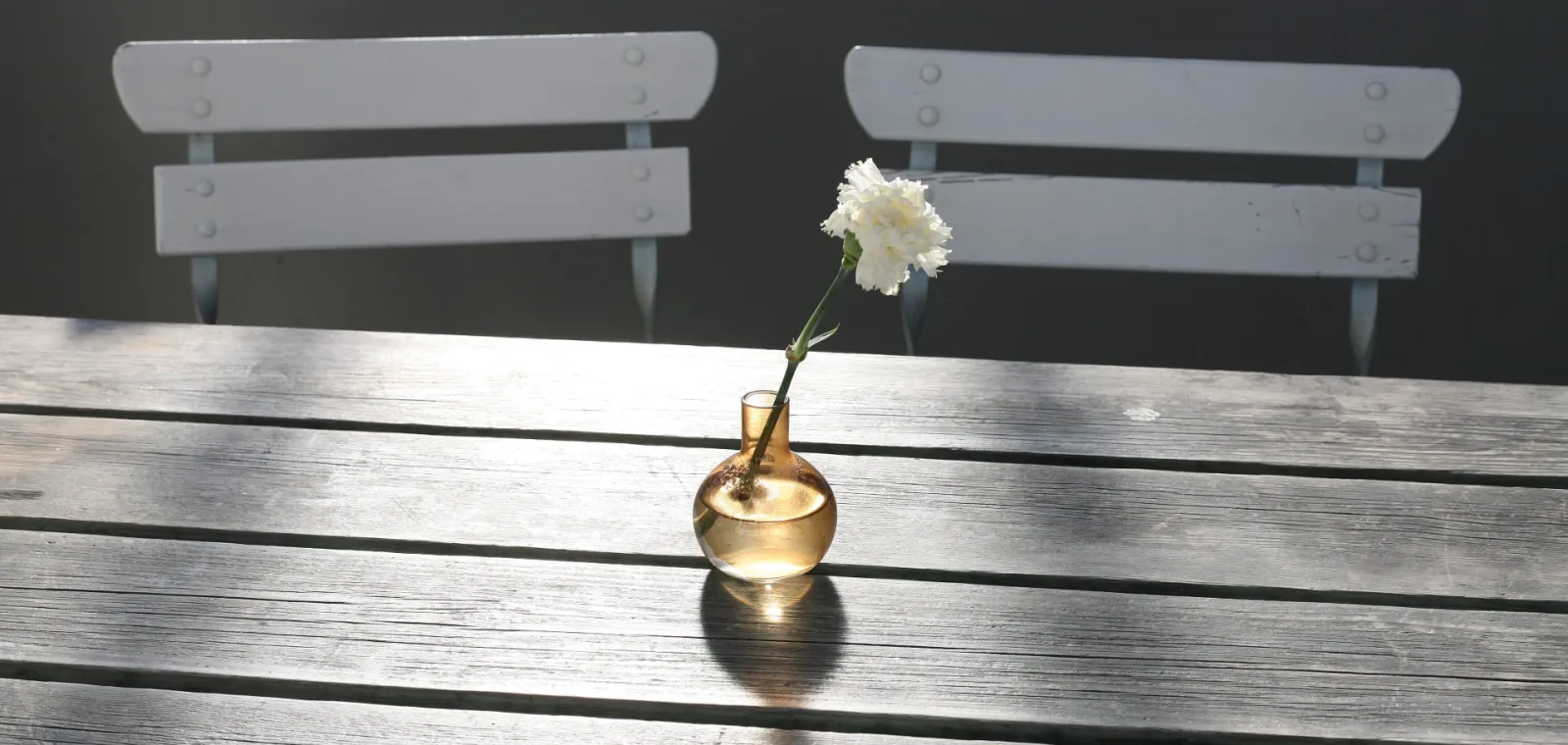
Just like food, emotions need to be processed, assimilated, and released. Suppressed feelings don't disappear. They settle into the body. Here's how to nourish yourself from the inside out.
On this page
We often think of our emotions as something that happens in our heads. But if you've ever felt "sick to your stomach" from worry or felt your chest tighten when you're hurt, you know that emotions are deeply physical.
Just like the food we eat, the emotions we experience need to be processed, assimilated, and eventually released.
When we stop the flow
As a self-professed "recovering overachiever", I spent years being the "strong one." I thought that being resilient meant I could just push through difficult feelings without letting them affect me.
But the body doesn't work that way.
When we suppress our feelings (whether it's anger, sadness, or even extreme excitement) because we don't have the time or the safety to deal with them, they don't just disappear. They stay in our tissues, our muscles, and very often, our digestive tracts. We end up feeling heavy, sluggish, or "full," even when we haven't eaten a thing.
Learning to feel is learning to nourish
Nourishing yourself from the inside out means creating a safe space for your emotional digestion to happen. It means:
- Acknowledging the "bitter" flavors: Allowing yourself to feel frustration or sadness without judging it.
- Checking in with your body: Noticing where you hold tension when you're stressed. Is it your jaw? Your shoulders? Your stomach?
- Movement as release: Sometimes, "digesting" an emotion requires a walk in nature, a cry, or a long exhale.
From the inside out
Real health is about more than just a balanced plate. It's about a balanced life where you feel safe enough to be your true self. When we begin to digest our emotional lives with compassion, we often find that our physical bodies begin to feel lighter and more energized, too.
Learning to digest what we feel is part of listening to your body: reading the body as a guide, not as an opponent.
One of the hardest, most necessary books I've read on this is Gabor Maté's When the Body Says No. I read it as a book about stress load, not blame, and it's one of the books I keep returning to.
You don't have to do it alone
Change is hard, especially when we've spent a lifetime holding things together. But you don't have to do it alone.

Free 30-minute call
Told it’s normal, or that you’ll have to live with it?
Thirty minutes on video, in English or Spanish. You tell me what’s going on, and I tell you honestly whether I can help. I reply within one working day.
“I’ve learned to listen to my body a little more, to understand better what I needed.”
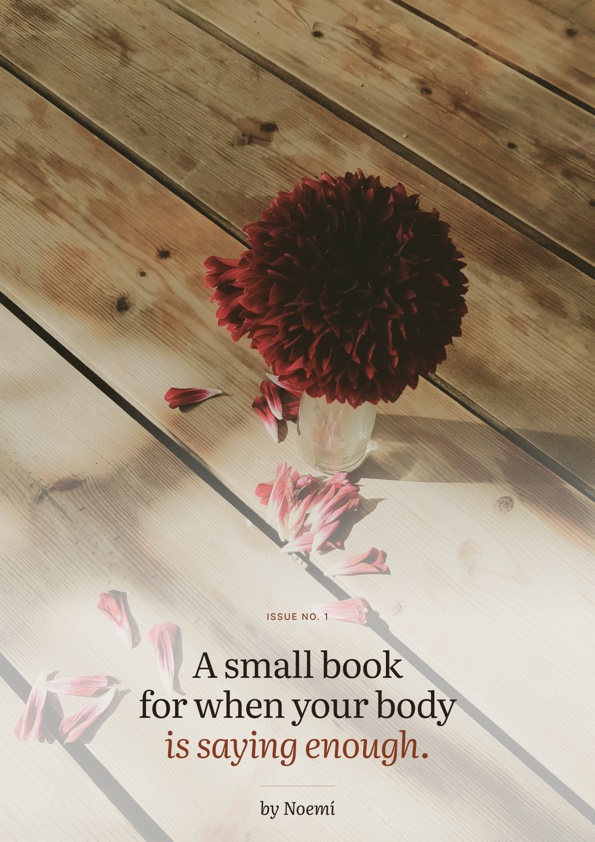 Not ready for a call?A small e‑book for when your body is saying enough.A digital PDF, fifty pages, in English and Spanish.Founding price · €15See Issue No. 1
Free 30-minute call
Told it’s normal, or that you’ll have to live with it?
Thirty minutes on video, in English or Spanish. You tell me what’s going on, and I tell you honestly whether I can help. I reply within one working day.
“I’ve learned to listen to my body a little more, to understand better what I needed.”
